
On Shelf Life
A Due Diligence into Reading

We rented an apartment in Baku. The first thing we noticed when we walked in was the bookshelf. The second was that the books were fake.
My initial reaction was disappointment. I felt betrayed. I had already imagined myself spending the week leafing through a history of the Caucasus while sipping on Borjomi, learning something about this place, becoming briefly cultured. But then I came around. Fake books are actually underrated.
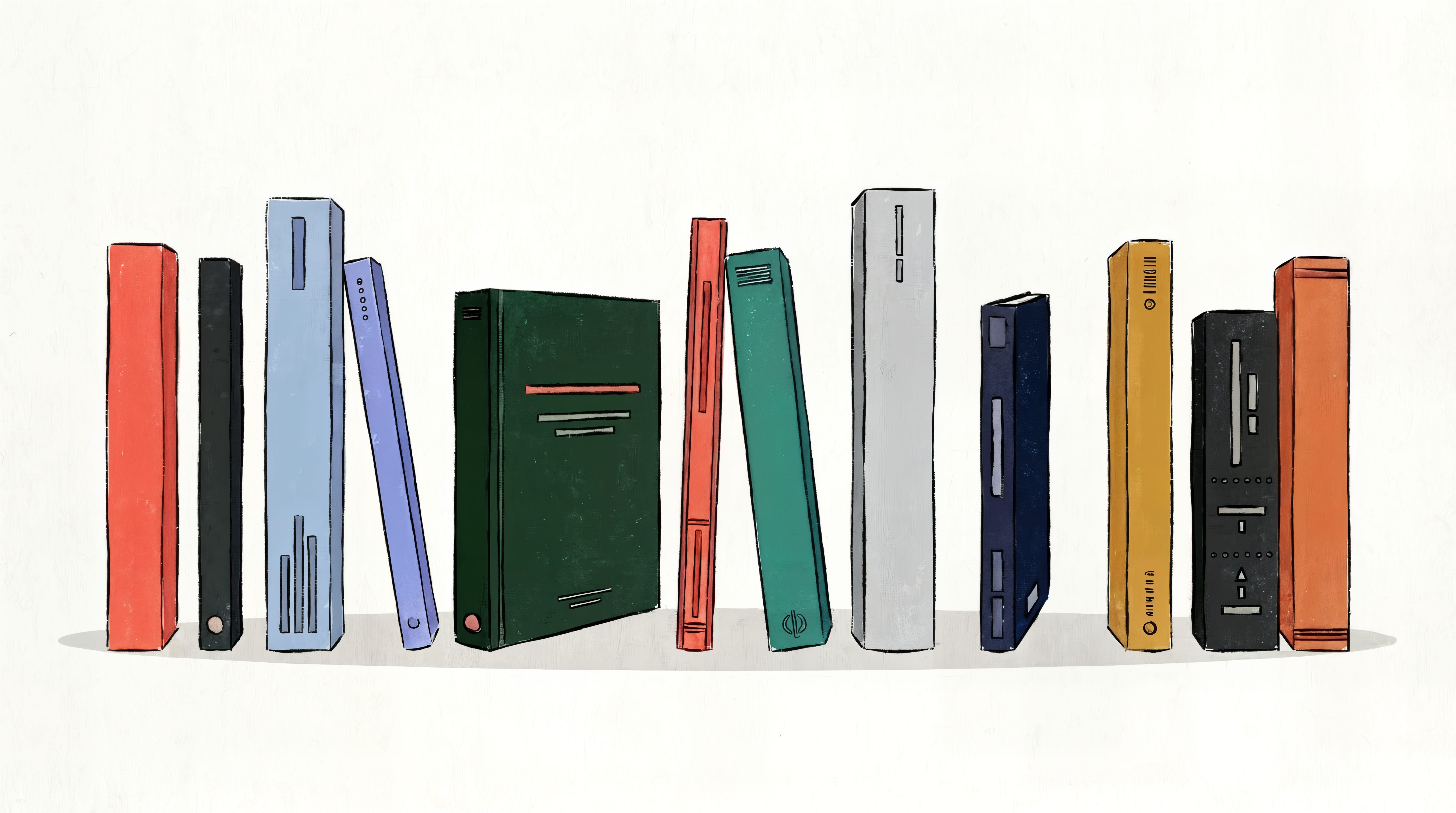
Think about it. They are prototyping. Before investing your time and money into buying and reading a real book, you want to know it will look right on your shelf. How will it photograph? What kind of person does this book make me?
Do I want people to know I own a Guide to Better Living? Does Eat Drink Nap say too much? Am I Simply Chic or Down to Earth? Will anyone notice the antique volume from the seventeenth century written in a language I do not speak nor understand?
It also made me think of all the times I have seen people turn books around on their shelves, the spines facing inward. I used to think this was impractical, then curated. Now I see it as privacy. Not every guest, date, or friend of a friend needs immediate access to your inner life. A bookshelf, after all, is one of the last places in the home where a person can still keep some data offline.
All I am saying is that it may be time to rethink the way we pick books, which, naturally, will leave even less time for actual reading.
Disclosure: The author owns several books selected for decorative, reputational, or shelf-related reasons. Ownership should not be construed as an endorsement of reading.